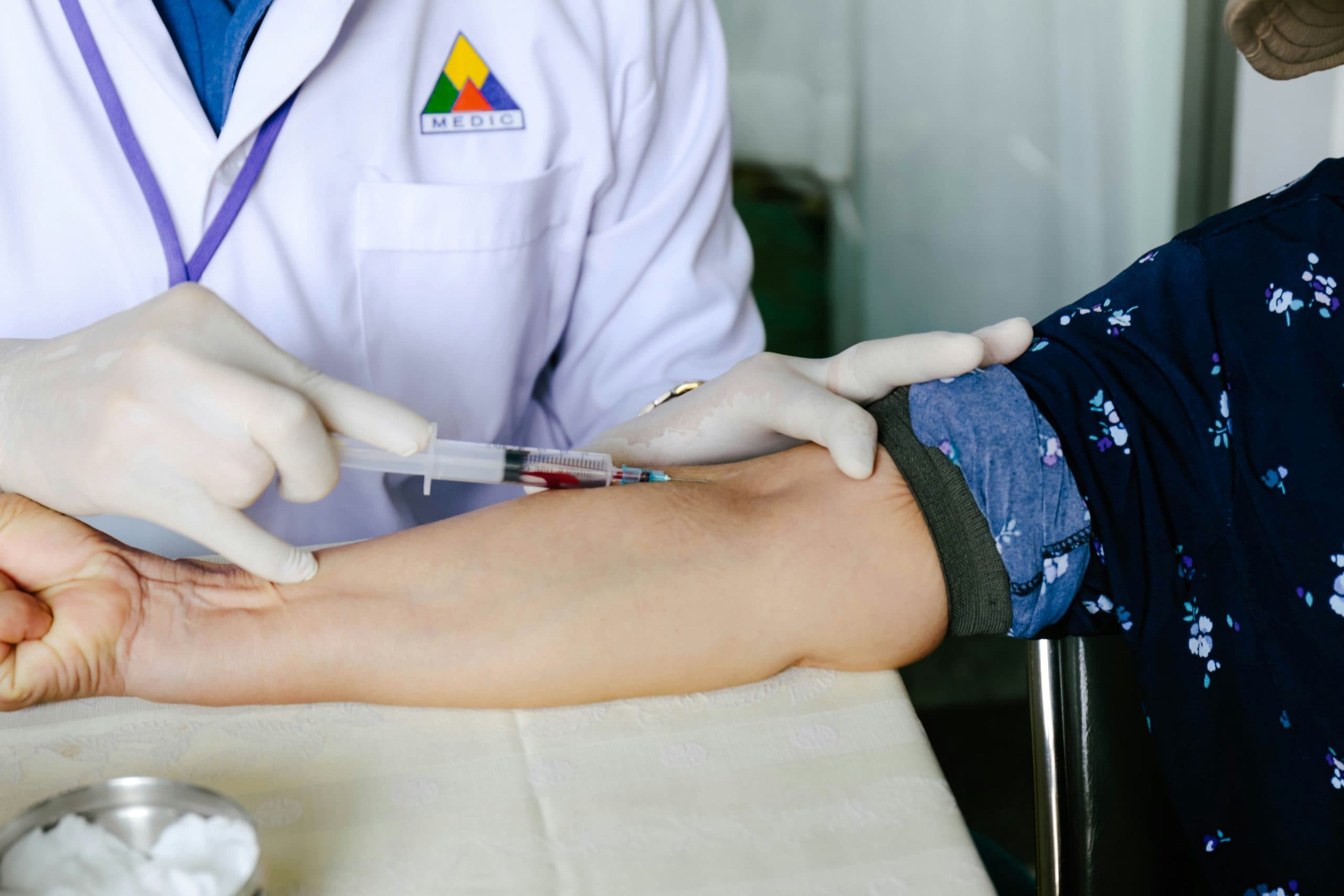
As we get older, it is naturally more likely that we will need various treatments to stay active and pain-free. At the same time, complex surgeries might carry significant risk.One solution that can appeal to both sides is PRP treatments.You can read our other article ‘5 PRP facts you should know’ for more information on the injection itself. However, in this post we’ll be looking at whether or not this treatment is suitable for older patients.
Why get PRP treatment?
Platelet Rich Plasma (PRP) plasma treatment can have many potential health benefits, some of which make it especially attractive to older patients. This is because one of the common uses of PRP injections is to treat osteoarthritis, which is a condition that frequently affects older people. The treatment encourages the regeneration of cartilage at important movement sites such as the knee joint. What’s more, it achieves this without the need for an invasive procedure which would carry a greater risk of infection.A PRP injection can also be an effective treatment optionfor aiding recovery from muscle, tendon, ligament, and cartilage injuries. Athletes often seek PRP treatment in response to common injuries such as a partial meniscus tear. However, it can also help treat osteoarthritis and other ongoing conditions through cartilage regeneration and improved cartilage integrity.
Free non-medical discussion
Not sure what to do next?
Information only · No medical advice or diagnosis.
What’s involved in PRP treatment?
Administering PRP treatments is typically a simple three-part process.
- A blood sample is taken: the patient will have a small sample of blood taken, often from the arm regardless of the affected area.
- The blood is processed: the blood sample is placed into a centrifuge device, which spins the liquid to separate its platelets from the other components. This usually consists of red blood cells, white blood cells, and any chemicals that might be present. This process is repeated multiple times to achieve a high concentration of platelets within the blood plasma.
- The PRP injection is given: the platelet-rich plasma that has been created from the patient’s own blood is then injected into the affected area. In cases where treatment needs to target a small or hard to reach area, the clinician may opt to use internal imaging to guide the needle.

Is PRP treatment suitable for older patients?
While PRP injections are considered to be incredibly low risk due to the use of patient-origin matter, recent studies have found that its effectiveness might diminish over time. Notably, 2023 research findings conclude that platelets taken from young people’s blood samples (aged 18-35) resulted in a more pronounced regenerative effect than platelets from older patients (aged 65 and over). However, the paper also concluded that there could be several other factors contributing to this lack of efficacy which could be related to age, such as osteoarthritis. As the injection is formulated from the patient’s own, any blood-related conditions will impact the effectiveness of PRP treatment. Limited blood supply to the joint due to injury is a common factor in preventing healing, even in the presence of growth factors, in patients of all ages. Nevertheless, PRP treatments still exhibit an extremely low risk of infection and rejection in patients, as it is created from their cells. Furthermore, the procedure has a short recovery period which is ideal for both young and old patients. As a result, beyond the financial investment, these injections still have a favourable benefit to risk ratio. Whether or not a particular treatment is appropriate for you will depend on your medical history, genetics, lifestyle, and occupation, as well as age. Therefore, it’s always best to speak to a qualified clinician.
Book a consultation with a healthcare professional
If you have any questions about the possible side effects and risks associated with treatments like PRP, the best way to get the answers you need is through our one-to-one consultations. The team at London Cartilage Clinic possess medical knowledge from around the world, extending to the most recently developed techniques. We believe the PRP treatment cost is well worth it to benefit from long-term mobility that’s free from pain and discomfort, all without having to resort to orthopaedic implants. Contact us today if you have any other questions about injections for cartilage regeneration.
Legal & Medical Disclaimer
This article is written by an independent contributor and reflects their own views and experience, not necessarily those of London Cartilage Clinic. It is provided for general information and education only and does not constitute medical advice, diagnosis, or treatment.
Always seek personalised advice from a qualified healthcare professional before making decisions about your health. London Cartilage Clinic accepts no responsibility for errors, omissions, third-party content, or any loss, damage, or injury arising from reliance on this material.
If you believe this article contains inaccurate or infringing content, please contact us at [email protected].
London Cartilage Clinic
Modern treatments, designed for lasting knee outcomes
Every treatment plan is selected to help you return to the quality of life you deserve. Our team combines up-to-date techniques with consultant-led decision making across cartilage repair, regeneration and replacement.
What your journey can look like
Step 01
Consultant-Led Assessment
Symptoms, imaging and goals reviewed in one structured appointment.
Step 02
Personalised Treatment Plan
A clear route chosen from repair, regeneration or replacement options.
Step 03
Precision Delivery
Modern techniques and specialist equipment matched to your diagnosis.
Step 04
Long-Term Knee Health
Follow-up guidance focused on durable function and quality of life.
Will the Arthrosamid work for me
PAAG-8+ Questionnaire
A bright, structured entry point for patients exploring Arthrosamid. The questionnaire helps frame suitability, expectations, and 24-month clinical benefit discussion before a fuller consultant-led review.
Designed for shared decision-making. It does not replace specialist consultation, examination, imaging review, or formal medical advice.